

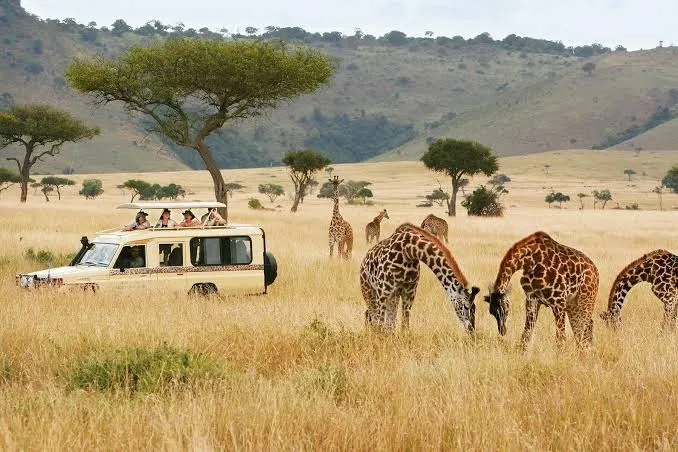
Most packing lists are longer than anyone needs for a Kenyan bush trip. This one focuses on what earns a place in your bag for a first safari that starts in Nairobi, from luggage limits on small planes to the electronics and papers you will need.
Choose the Right Bag and Luggage
Soft-sided duffel bags are the smartest choice for any Kenya travel plan involving bush flights. Light aircraft flights between Nairobi’s Wilson Airport and the conservancies usually enforce a strict weight limit, around fifteen kilograms, and they cannot accommodate rigid suitcases. A soft bag squeezes into small cargo holds. Add a small daypack for cameras, sunscreen, and water during game drives. Leave extra belongings at your Nairobi hotel, since most hotels store luggage for free. Keep valuables, medication, and important documents in your carry-on rather than checked baggage, just in case anything is delayed.
Clothing in Neutral Colors
Stick to khaki, olive, tan, and soft brown clothing, because bright colors can startle wildlife, while dark blue and black attract tsetse flies. Pack three or four lightweight shirts, two pairs of breathable trousers, and one pair of shorts. Long sleeves protect you from sun and mosquitoes at dusk. Mornings on game drives are surprisingly cold, so bring a fleece and a light windproof jacket for layering. Quick-drying fabrics are ideal because laundry services at lodges are common and often included, so you need fewer items overall.
Footwear and Accessories
Comfortable closed shoes matter more than fashionable ones. Bring one pair of broken-in walking shoes or light hiking boots for nature walks, plus sandals or flip-flops for camp. Pack several pairs of breathable socks, since feet can swell in the heat. A wide-brimmed hat, polarized sunglasses, and a bandana keep dust and glare under control during long drives. Binoculars are worth carrying, as distant leopards and birds are easy to miss without them. Lodges sometimes lend a pair, but having your own adjusted pair makes spotting far more enjoyable.
Health, Sun, and Insect Protection
Nairobi sits at high altitude, but the lowland parks are hot and humid, so sun protection is essential. Pack high-SPF sunscreen, lip balm, and insect repellent containing DEET. Ask your doctor about malaria prophylaxis and routine vaccinations well before departure, and carry a yellow fever certificate if your route requires it. Bring a small first-aid kit with plasters, antihistamines, rehydration salts, and any prescription medication in original packaging. Hand sanitizer and wet wipes are useful during bush stops. Pharmacies in Nairobi are reliable if you forget something minor before leaving.
Electronics and Photography Gear
Kenya uses Type G plugs with 240-volt power, so pack a universal adapter and a power bank for long drives. Most safari vehicles have charging points, but they are not always reliable. Bring extra memory cards and a lens cloth, since dust gets everywhere. A zoom lens of at least 200mm helps with wildlife photography, though a good smartphone also captures wonderful moments. Download offline maps, music, and e-books before leaving Nairobi, because mobile signal disappears in remote conservancies. Waterproof pouches protect gear during sudden rain or river crossings.
Documents, Money, and Booking Details
Keep your passport, e-visa or electronic travel authorization, flight tickets, and insurance details together in one waterproof folder. Kenya requires an online travel authorization before arrival, so apply early. Carry some US dollars in recent notes plus Kenyan shillings for tips and souvenirs, and keep a credit card for larger payments. Once you decide to book Kenya safari packages, confirm baggage limits, park fees, and transfer times with your operator. Save digital copies of every document in your email, and share your itinerary with someone back home.
Packing With Purpose
A good packing list is short, practical, and matched to your luggage limit. Check your documents early, then pack lightly and leave room for what you pick up along the way.
