

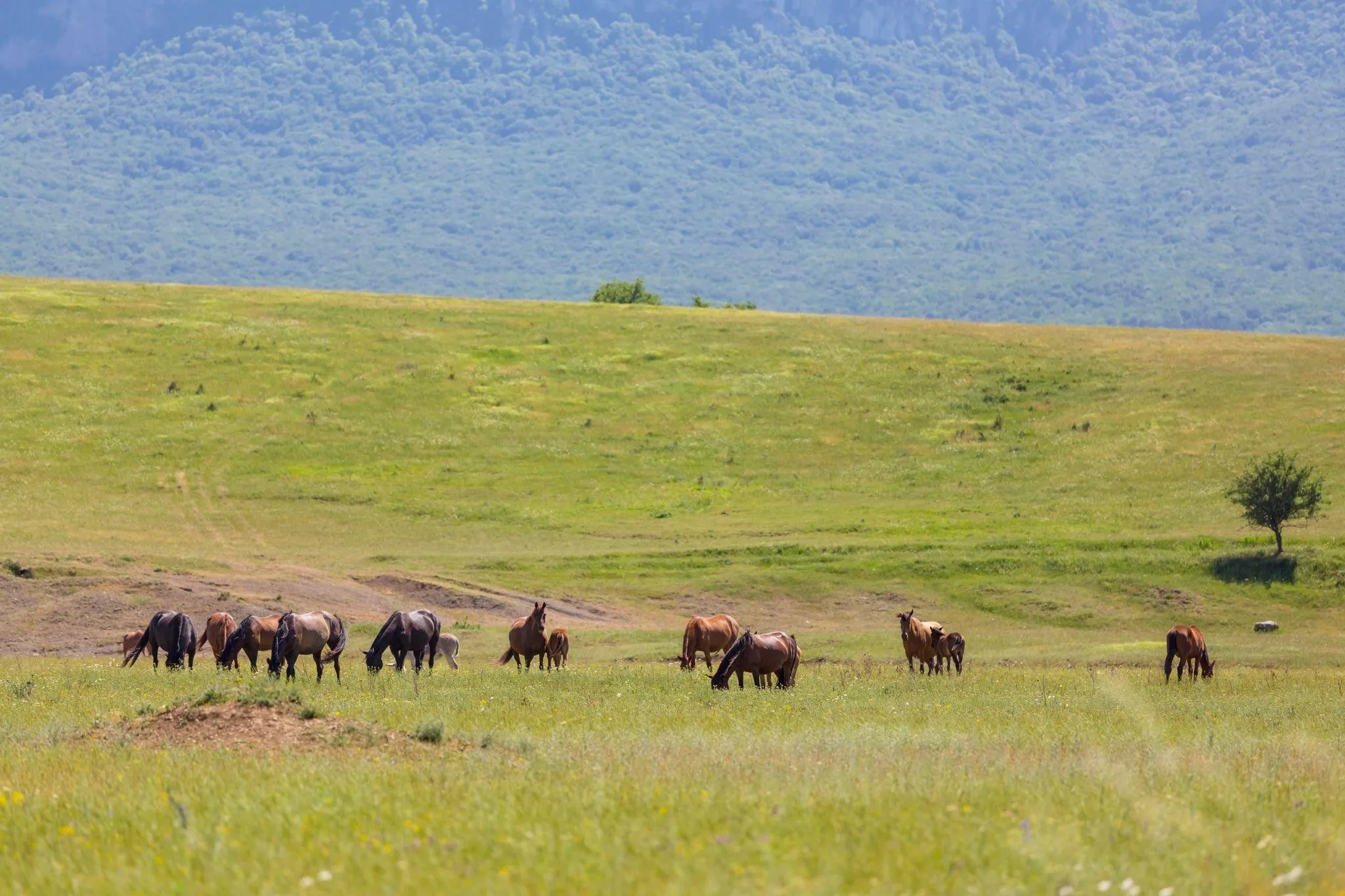
The Great Migration is one of Tanzania’s most famous wildlife experiences, and watching wildebeest cross the Mara River is often considered one of its most dramatic moments. Thousands of wildebeest can gather along the riverbanks before making the dangerous journey through the water, where strong currents and crocodiles add to the challenge.
For travelers planning a wildebeest crossing safari in Tanzania, choosing the right time of year is an important part of the planning process. The migration is a year-round cycle, but the famous river crossings generally take place during the dry-season months when the herds move through the northern Serengeti toward Kenya’s Maasai Mara.
The exact timing cannot be guaranteed, however. Rainfall, food availability, river conditions, and animal behavior influence where the herds travel each year. Therefore, travelers should plan around a suitable migration period rather than expecting a crossing on a particular date.
When Is the Best Time to See Wildebeest Crossings?
For travelers specifically interested in wildebeest river crossings in Tanzania, the main viewing period is generally July through October. National Geographic also identifies July to early November as a period when crossings along the Mara and Sand Rivers can occur.
August and September are often particularly popular for travelers hoping to see crossings in the northern Serengeti. National Geographic’s current Serengeti travel guidance identifies August and September as the peak period for river-crossing activity around the Kogatende area.
However, this does not mean that every day during these months will produce a crossing.
The wildebeest may gather near the river for hours or even move away before crossing. Patience is therefore an essential part of this type of safari.
July: The Beginning of the Northern Migration
July can be an interesting time to visit the northern Serengeti as the migration progresses northward.
The herds move toward areas around the Mara River, although the exact location and timing can vary. Some groups may already be approaching or crossing the river, while others may still be moving through the western and central parts of the Serengeti.
Travelers visiting in July may benefit from spending several days in the relevant migration areas rather than relying on a single game drive.
August: A Popular Month for River Crossings
August is one of the most popular months for travelers hoping to witness a Great Migration river crossing in Tanzania.
During this period, large numbers of wildebeest may be found in the northern Serengeti around the Mara River. Some herds cross into Kenya, while others remain within the Serengeti or move through different sections of the ecosystem.
The spectacle can be dramatic, but there is no fixed crossing schedule.
A herd may approach the riverbank, gather together, and then suddenly change direction. This is why experienced guides and flexible safari schedules can be particularly valuable.
September: Another Strong Period
September is also frequently selected for northern Serengeti migration safaris.
By this time, some herds may have crossed the Mara River while others can still be moving between Tanzania and Kenya.
The northern Serengeti provides opportunities to observe not only crossings but also large concentrations of wildlife and predator activity.
For travelers who want to maximize their opportunities, staying several nights in the northern Serengeti can provide more time to monitor the movement of the herds.
October: Late-Season Crossings
October can still provide opportunities to witness wildebeest crossings, although the migration begins transitioning southward as seasonal rainfall changes.
Some herds may remain in northern areas while others begin moving back toward the Serengeti’s eastern and southern regions.
This makes October an interesting month for travelers who want to experience the later stages of the northern migration without limiting their expectations to one particular river crossing.
The timing can vary significantly from year to year.
What About November?
November is generally associated with the beginning of the herds’ movement back toward the southern Serengeti following seasonal rains.
However, migration patterns do not operate according to an exact calendar. In some years, animals can remain in northern areas longer than expected.
National Geographic has documented crossings occurring into early November in years when rainfall and herd movements affected the normal pattern.
Therefore, November should not be treated as a guaranteed river-crossing month, but travelers may still encounter migration activity depending on conditions.
Why River Crossings Are Difficult to Predict
One of the most important things to understand about a Tanzania wildebeest migration safari is that animals do not follow a fixed itinerary.
Several factors influence their movements.
Rainfall
Rain is one of the biggest influences on the migration. The herds follow fresh grazing and water availability, so changes in rainfall can alter their route.
Food Availability
Wildebeest continually search for fresh grass. If good grazing is available in one area, the herds may remain there longer than expected.
River Conditions
The water level, current, and surrounding conditions can influence whether a herd attempts to cross.
Herd Behavior
Perhaps the most unpredictable factor is the animals themselves.
A large group may gather on one side of the river for a long period before crossing. It may also move away and return later.
For this reason, even visiting during peak migration season does not guarantee a river crossing.
Where to See Wildebeest Crossings in Tanzania
The northern Serengeti is the main Tanzanian region associated with Mara River crossings.
The Kogatende area is particularly important for travelers planning a migration safari focused on the Mara River. Tanzania’s national park authority has established designated viewing arrangements and guidelines around the river-crossing areas to help manage tourism and protect the ecosystem.
The northern Serengeti is also valuable because travelers can experience more than the crossing itself.
Depending on the season, you may encounter:
-
Large wildebeest herds
-
Zebras
-
Giraffes
-
Lions
-
Leopards
-
Hyenas
-
Crocodiles
-
Elephants
-
Numerous bird species
A safari should therefore be planned around the broader wildlife experience rather than a single event.
How Long Should You Stay?
If witnessing a wildebeest crossing is your main objective, a longer stay in the northern Serengeti can provide more opportunities.
A one-day visit creates a limited window because the animals may not cross while you are present.
A multi-day itinerary gives your guide more opportunities to monitor herd activity and position you in suitable areas.
For example, a migration-focused itinerary might include:
Day 1: Travel to the northern Serengeti
Day 2: Full-day game drive and migration monitoring
Day 3: Full-day northern Serengeti safari
Day 4: Additional game drive before continuing the safari
The itinerary can then be combined with other destinations such as central Serengeti, Ngorongoro, or Tarangire.
Be Prepared to Wait
Patience is one of the most important qualities for a river-crossing safari.
A herd may gather near the river but hesitate before entering the water. Sometimes the animals may move along the riverbank looking for a suitable crossing point.
National Geographic’s reporting on the migration describes waiting several hours for a crossing, illustrating how unpredictable these encounters can be.
Rather than viewing the waiting period as wasted time, travelers can use it to observe other wildlife and understand the behavior of the migrating animals.
Follow Responsible Safari Practices
River crossings attract considerable attention, so responsible tourism is particularly important.
Tanzania’s national park authority has established specific guidelines for Mara River crossings, including designated vehicle areas and requirements concerning how vehicles should position themselves when animals are gathering and crossing.
Travelers should follow their guide’s instructions and park regulations. Avoiding unnecessary pressure on wildlife helps protect the migration and preserves the experience for future visitors.
Responsible viewing also means respecting other safari vehicles, keeping appropriate distances, and allowing animals to move naturally.
What Else Can You See During Migration Season?
A river crossing should not be the only objective of a Tanzania safari.
The Serengeti offers excellent wildlife opportunities beyond the migration itself. During the northern migration season, travelers can potentially see predators following the herds and observe interactions between different species.
Lions, leopards, cheetahs, hyenas, crocodiles, elephants, giraffes, and numerous antelope species can all contribute to the safari experience.
This is one reason why a well-rounded Great Migration safari Tanzania itinerary is often more rewarding than planning every day around a single crossing.
Private or Group Migration Safari?
Travelers can generally choose between private and shared safari arrangements depending on their preferences and budget.
Private Safari
A private safari provides greater flexibility when deciding how to structure game drives and how long to remain in an area.
This can be useful when monitoring unpredictable wildlife behavior.
Group Safari
A group safari can provide a more budget-conscious option for travelers who are comfortable sharing a vehicle and following a set itinerary.
Before booking, check the group size, vehicle type, accommodation, and daily schedule.
How to Choose the Right Safari Operator
Planning a migration safari requires more than simply selecting a travel month.
A knowledgeable local operator can help travelers consider:
-
Seasonal migration patterns
-
Northern Serengeti accommodation
-
Safari duration
-
Transportation
-
Park fees
-
Private or shared vehicles
-
Guide services
-
Additional destinations
-
Overall budget
Big Three Tours and Safaris is one operator travelers can consider when planning a Tanzania Great Migration safari. Depending on the travel dates and interests, a local safari operator can help build an itinerary around the northern Serengeti while also including destinations such as central Serengeti, Ngorongoro, or Tarangire.
Travelers should always confirm the itinerary, inclusions, accommodation, transportation, and cancellation conditions before booking.
Final Thoughts
The best time to see wildebeest crossings in Tanzania is generally during the northern migration period from around July through October, with August and September often considered particularly suitable months for Mara River viewing.
However, there is no guaranteed date for a river crossing. The Great Migration responds to rainfall, fresh grazing, river conditions, and natural animal behavior. A herd can cross when conditions are right, but it can also wait, change direction, or move to another location.
For this reason, travelers should allow several days for a migration-focused safari whenever possible and choose an itinerary that offers more than one wildlife experience.
With the right travel period, a flexible itinerary, responsible wildlife viewing, and guidance from an experienced local safari operator, travelers can experience not only the possibility of a dramatic wildebeest river crossing but also the wider wildlife spectacle of the Serengeti.
